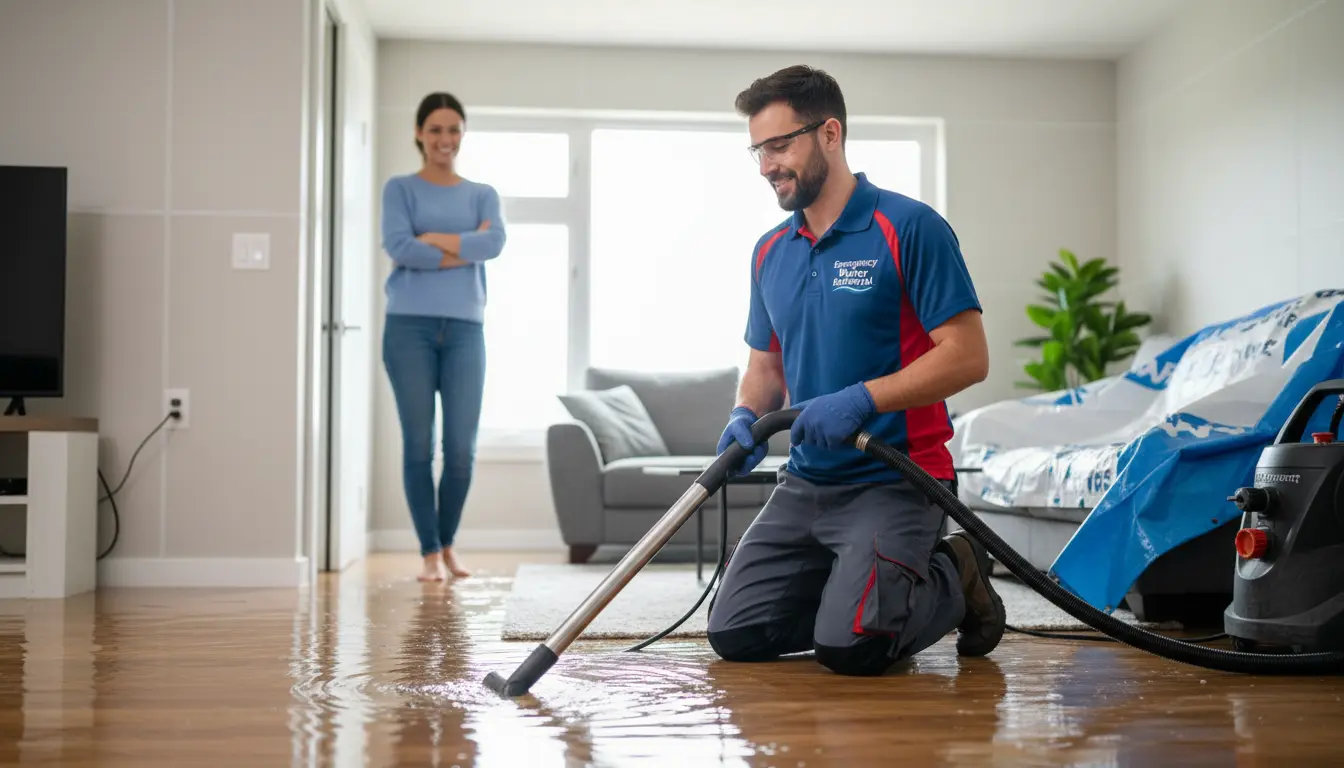
Living in sunny Florida comes with its perks, but it also means dealing with unexpected water issues—from sudden storms to plumbing mishaps. If you’ve experienced water damage in your Marco Island home, one burning question is: does insurance cover it? At Emergency Water Removal, we’ve helped countless residents navigate this confusing terrain. In this guide, we’ll break down the essentials of water damage insurance in Florida, share practical advice tailored to our coastal community, and explain how our expert services can get you back on track. Whether it’s a leaky pipe or hurricane aftermath, understanding your policy is your first line of defense.
Understanding Water Damage and Insurance Basics in Florida
Water damage isn’t just an inconvenience; it can lead to structural issues, mold growth, and costly repairs if not addressed promptly. In Florida, where humidity and tropical weather are constants, these problems are all too common. But does your homeowners insurance actually cover water damage? The short answer: it depends on the source and your policy details.
Types of Water Damage Covered by Insurance
Florida homeowners insurance typically covers sudden and accidental water damage, such as a burst pipe or appliance malfunction. For instance, if a washing machine hose breaks and floods your kitchen, your policy should kick in for cleanup and repairs. However, gradual damage—like a slow drip from a poorly maintained roof—often falls under exclusions.
Flood damage from external sources, like rising waters during a storm, is usually not covered by standard policies. That’s where flood insurance comes in, often through the National Flood Insurance Program (NFIP). In Marco Island, with its proximity to the Gulf, many homes require separate flood coverage to protect against tidal surges.
Florida-Specific Insurance Regulations
Florida’s insurance landscape is unique due to its hurricane-prone nature. The state mandates certain coverages, but water damage clauses can vary. Policies here often include windstorm coverage, but water intrusion from storms might need additional riders. Always review your declaration page for specifics—terms like "water backup" or "sewer overflow" could save you thousands.
At Emergency Water Removal, we’ve seen how these nuances play out in local scenarios. For example, after a heavy rain in Tigertail Beach, residents often face claims for interior flooding that insurance partially covers, leaving restoration gaps we fill with our emergency water extraction services.
When Insurance Might Not Cover Your Water Damage
Not all water woes are insurable, and knowing the pitfalls can prevent denied claims. Common exclusions include:
- Neglect or Maintenance Issues: If damage stems from ignored leaks, insurance won’t pay. Regular inspections are key in humid Marco Island.
- Earth Movement or Flooding: Standard policies exclude floods; get NFIP if you’re in a flood zone like parts of Old Marco.
- Wear and Tear: Aging plumbing in older Hideaway Beach homes often leads to uncovered gradual leaks.
Pro tip: Document everything. Take photos, note the date of the incident, and contact your insurer within 24-48 hours. In Florida, delays can complicate claims, especially post-hurricane.
Filing a Water Damage Insurance Claim in Florida: Step-by-Step Guide
Navigating a claim can feel overwhelming, but following these steps streamlines the process:
- Assess the Damage Safely: Turn off water sources and avoid electrical hazards. In Marco Island’s low-lying areas, like Aqualane Shores, quick action prevents further flooding.
- Contact Your Insurer Immediately: Report the incident and get an adjuster assigned. Mention if it’s sudden damage for better coverage odds.
- Mitigate Further Damage: Florida law requires you to prevent worsening—think tarping roofs or extracting standing water. This is where professional help shines; our team at Emergency Water Removal uses advanced tools to minimize your out-of-pocket costs.
- Hire a Restoration Expert: Don’t DIY major issues. We recommend starting with moisture detection services to identify hidden problems that insurers might overlook.
- Provide Documentation: Submit photos, receipts, and our detailed reports. Adjusters in Florida appreciate thorough evidence.
- Follow Up: Claims can take weeks; stay proactive without being pushy.
In one recent case in Naples, a client saved 40% on repairs by combining insurance with our efficient industrial drying equipment, which sped up the drying process and impressed the adjuster.
Practical Tips for Preventing Water Damage in Marco Island Homes
Prevention is better than a claim. Here are actionable strategies tailored to our island lifestyle:
Routine Maintenance Checks
Inspect plumbing annually, especially in salt-air exposed areas like Old Marco. Check for corrosion on pipes and seals around windows—common culprits in coastal homes.
Upgrade Your Home’s Defenses
Install sump pumps and backflow valves to combat heavy rains. In Tigertail Beach, elevating appliances reduces flood risk. Consider water sensors that alert you to leaks via app—peace of mind for vacation homes.
Choose the Right Insurance Add-Ons
Opt for water backup coverage (around $50-100/year) and review your policy for hurricane deductibles, which can hit 2-5% in Florida. If you’re in a flood-prone spot like Hideaway Beach, NFIP policies start at $500 annually.
For mold risks post-water exposure, early intervention is crucial. Our mold inspection and testing helps catch issues before they void claims or health hazards arise.
Local Marco Island Considerations
Marco Island’s waterways mean higher flood risks. The City of Marco Island enforces strict building codes, so ensure your home complies to avoid claim denials. During wet season, clear gutters regularly to prevent overflow— a simple task that averts thousands in damage.
FAQ: Common Questions About Water Damage Insurance in Florida
1. Does Renters Insurance Cover Water Damage?
Yes, if it’s sudden damage from a covered peril, like a neighbor’s leak. It won’t cover floods, though—add separate coverage if needed.
2. How Long Do I Have to File a Claim in Florida?
Typically one year from the loss date, but notify immediately. Delays in humid areas like Marco Island can worsen damage and complicate approvals.
3. What If Mold Develops After Water Damage?
Insurance may cover mold removal if tied to a covered event, up to policy limits (often $10,000). Act fast with pros to contain it.
4. Are There Special Rules for Hurricane-Related Water Damage?
Wind-driven rain might be covered, but storm surge isn’t. In Florida, check for separate windstorm policies via Citizens Property Insurance.
5. Can I Choose My Own Restoration Company?
Absolutely—insurers can’t force theirs. At Emergency Water Removal, we work directly with adjusters to ensure fair settlements.
Conclusion: Protect Your Marco Island Home Today
Water damage in Florida can strike without warning, but understanding your insurance coverage empowers you to respond effectively. From sudden bursts to storm surges, knowing what’s covered—and what’s not—can save your sanity and wallet. At Emergency Water Removal, we’re Marco Island’s trusted partners in restoration, serving areas like Aqualane Shores and beyond with rapid, reliable service.
Don’t wait for the next rain—review your policy, implement preventive measures, and keep our number handy. If water damage hits, contact Emergency Water Removal at (239) 123-4567 for immediate assistance. We’re here 24/7 to extract, dry, and restore your peace of mind. Let’s keep your island paradise dry and damage-free!
(Word count: 1,248)