Living in Marco Island means embracing the beauty of coastal life, but it also comes with the unpredictable fury of Florida storms. From sudden downpours to devastating hurricanes, water damage can strike without warning, turning your serene island home into a soggy nightmare. If you’ve ever watched floodwaters rise around your property during a tropical storm, you know the urgency of swift action. At Emergency Water Removal, we’ve helped countless Marco Island residents navigate the chaos of post-storm recovery. In this comprehensive guide, we’ll walk you through everything you need to know about water restoration, from immediate response to long-term prevention. Whether your home in Hideaway Beach was hit hard or you’re just preparing for the next big one, these insights will empower you to safeguard what matters most.
Understanding Water Damage from Florida Storms
Florida’s subtropical climate makes it a hotspot for intense weather events, and Marco Island is no exception. Storms like Hurricane Ian in 2022 reminded us how quickly rising tides and heavy rains can infiltrate homes, causing extensive water damage. But not all water damage is the same—understanding the types can help you assess the situation faster.
Types of Water Damage in Coastal Areas
Water damage falls into three categories: clean, gray, and black. Clean water from rain or burst pipes is the least hazardous, but in storm scenarios, it’s often mixed with contaminants. Gray water, from sources like sump pump backups, carries bacteria and requires prompt removal. Black water, common after flooding from storm surges in Marco Island, is the most dangerous, laden with sewage and chemicals that can lead to severe health risks.
In low-lying areas like Hideaway Beach, storm surges push saltwater into homes, leading to corrosion and mold growth if not addressed. According to local reports, over 70% of Marco Island properties affected by recent storms experienced structural issues from prolonged moisture exposure. Recognizing these early signs—warped floors, musty odors, or bubbling paint—can prevent minor issues from escalating.
Immediate Steps to Take After a Storm Hits
When the storm passes and the skies clear over Marco Island, your first priority is safety. Don’t rush into a flooded home without precautions; standing water can hide electrical hazards or weakened structures. Here’s a step-by-step action plan to minimize damage right away.
Ensure Safety and Document the Damage
Start by turning off your electricity at the main breaker to avoid shocks—never wade through water near outlets. If the damage is severe, evacuate and contact professionals immediately. Once safe, document everything with photos and videos for insurance claims. In Marco Island, where properties often feature elevated designs, check for water intrusion under homes or in crawl spaces.
Initial Water Removal Techniques
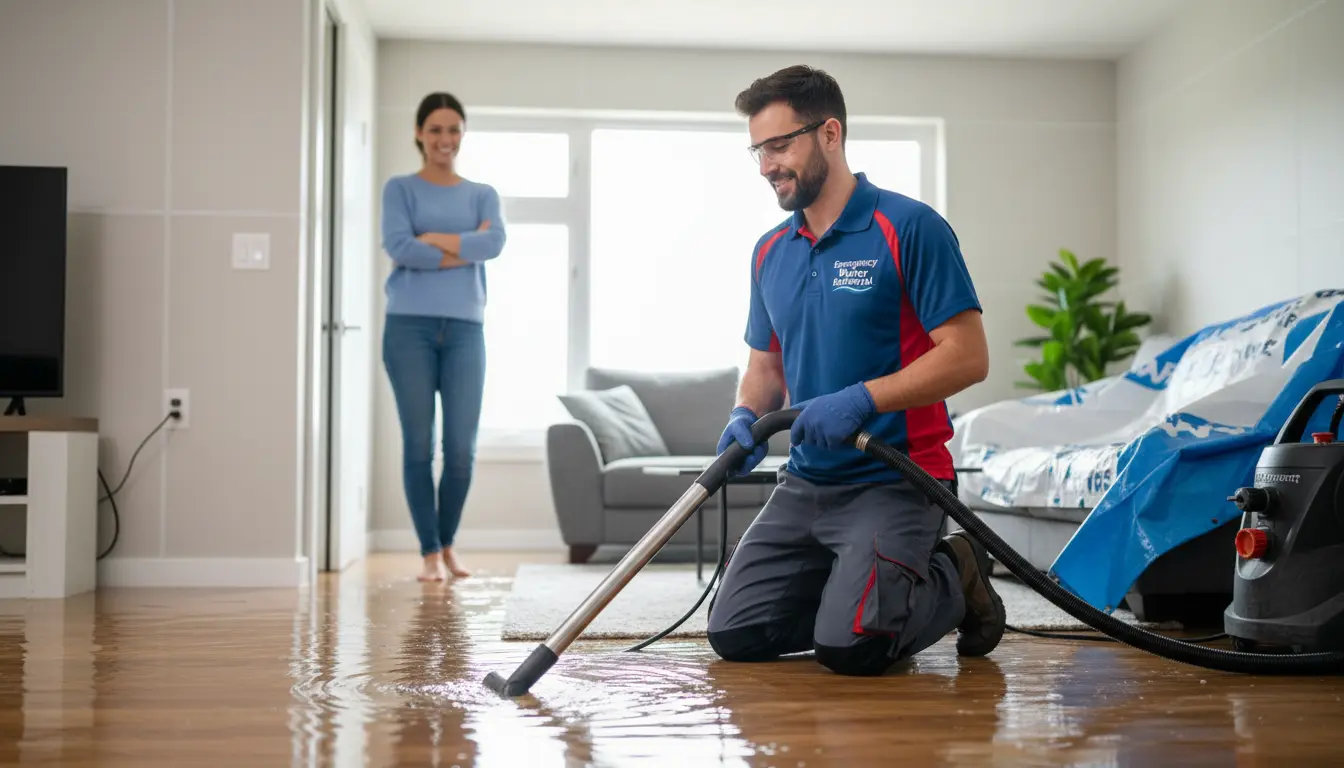
If possible, use buckets or wet-dry vacuums to remove standing water, but avoid DIY if the volume is overwhelming. For efficient results, rely on emergency water extraction to pump out water quickly and prevent further saturation. Pro tip: Open windows and doors to ventilate, but only if outdoor humidity isn’t too high—Florida’s muggy post-storm air can worsen evaporation issues.
In our experience serving Marco Island, acting within the first 24-48 hours can reduce restoration costs by up to 50%. Remove saturated items like rugs and furniture to a dry area, but wear protective gear to avoid contaminants.
The Professional Water Restoration Process
While DIY efforts help in a pinch, professional intervention is crucial for thorough recovery. At Emergency Water Removal, our IICRC-certified team follows a structured process tailored to Florida’s unique challenges, ensuring your home in Marco Island is restored safely and efficiently.
Step 1: Inspection and Assessment
We begin with a detailed inspection to identify the extent of damage. Using advanced tools, we check hidden areas like walls and subfloors. This is where moisture detection services shine, employing infrared cameras and moisture meters to pinpoint damp spots that could lead to mold.
For coastal homes in Hideaway Beach, we pay special attention to saltwater intrusion, which accelerates deterioration. Our assessment report outlines the scope, timeline, and costs, giving you peace of mind.
Step 2: Water Extraction and Drying
High-powered pumps and truck-mounted extractors remove water rapidly—far beyond what a shop vac can achieve. Then comes dehumidification: industrial fans and dehumidifiers run for days to dry out every nook. In humid Marco Island, this phase is vital; incomplete drying invites mold, which thrives in Florida’s warmth.
Practical tip: During drying, monitor humidity levels with a hygrometer. Aim for under 60% to prevent microbial growth. We typically complete this in 3-5 days, depending on the damage scale.
Step 3: Cleaning, Sanitizing, and Repairs
Once dry, we clean and sanitize affected areas with EPA-approved antimicrobial agents to eliminate bacteria and mold spores. For structural repairs, we remove damaged drywall, treat wood framing, and rebuild with mold-resistant materials. In Marco Island’s salty environment, we recommend corrosion-resistant sealants for longevity.
Actionable advice: Salvage what you can—electronics might be recoverable with professional cleaning, but porous items like mattresses often need replacement.
Preventing Future Water Damage in Marco Island Homes
Restoration is reactive, but prevention is proactive. With Florida storms on the rise, fortifying your property against water intrusion is essential, especially in vulnerable spots like Marco Island.
Home Hardening Tips for Storm Season
Elevate appliances and install flood vents in garages. Seal cracks in foundations and ensure gutters direct water away from your home’s base. For those in Marco Island, consider impact windows to reduce wind-driven rain entry.
In elevated communities like Hideaway Beach, backflow valves prevent sewage backups during heavy rains. Trim trees away from your roof to avoid debris-clogged drains. Stock an emergency kit with tarps, sandbags, and a generator for power outages.
Insurance and Maintenance Strategies
Review your flood insurance—standard homeowner policies often exclude it in Florida. Schedule annual inspections to catch vulnerabilities early. Emergency Water Removal offers maintenance plans for proactive moisture checks, saving you from costly surprises.
Local insight: Marco Island’s building codes emphasize resilience; retrofitting older homes can qualify for grants through Collier County programs.
FAQ: Common Questions About Water Restoration After Storms
How Quickly Should I Call for Water Restoration in Marco Island?
Ideally, within hours of the storm. Delaying beyond 48 hours increases mold risk and structural damage. Emergency Water Removal responds 24/7 to Marco Island calls.
Does Homeowners Insurance Cover Storm-Related Water Damage?
It depends—wind-driven rain is often covered, but flood damage requires separate NFIP policies. Our team assists with claims to maximize your coverage.
Can I Prevent Mold After Water Exposure?
Yes, by drying thoroughly and using dehumidifiers. Professional moisture detection services ensure no hidden moisture lingers.
How Long Does the Restoration Process Take?
Typically 1-2 weeks, varying by damage extent. Extraction is fast, but drying and repairs take time for quality results.
Is Saltwater Damage Worse Than Freshwater?
Absolutely—salt corrodes metals and promotes mold faster. In coastal areas like Hideaway Beach, specialized treatments are needed.
Conclusion: Restore and Protect Your Marco Island Home Today
Navigating water restoration after Florida storms doesn’t have to be overwhelming. From immediate safety measures to professional emergency water extraction and long-term prevention, you’re now equipped with the knowledge to bounce back stronger. At Emergency Water Removal, we’re committed to serving Marco Island and beyond with rapid, reliable service that minimizes disruption and maximizes recovery.
Don’t let storm damage linger—contact Emergency Water Removal today for a free assessment. Protect your home, your health, and your peace of mind. Call us at (239) 123-4567 or visit our Marco Island page to learn more about how we can help.
(Word count: 1,248)