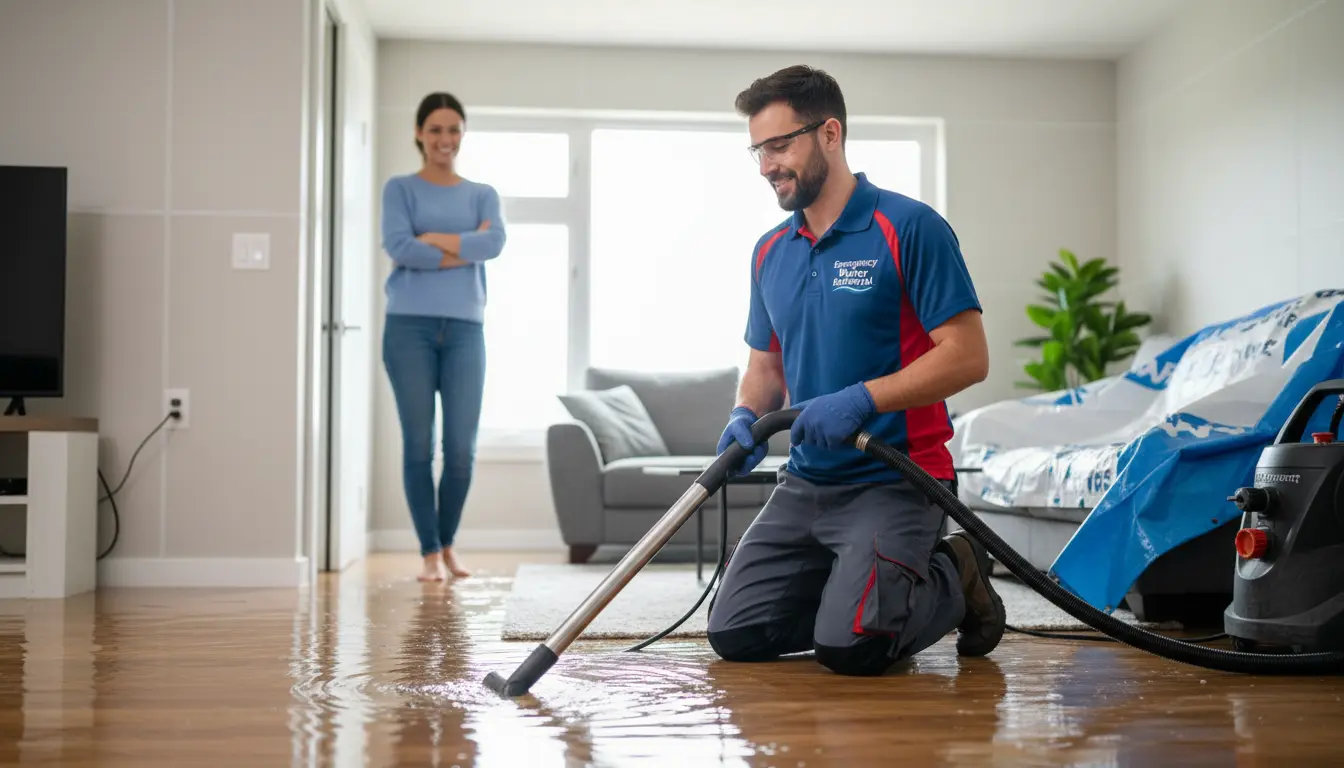
As hurricane season approaches, residents of Marco Island know all too well the power of Mother Nature. With its beautiful beaches and waterfront properties, our island paradise is no stranger to tropical storms that can bring heavy rains, storm surges, and flooding. But fear not—preparing your home against water damage doesn’t have to be overwhelming. At Emergency Water Removal, we’ve helped countless Marco Island homeowners recover from water-related disasters, and we’re here to share practical, actionable advice to fortify your property before the next big one hits.
In this guide, we’ll walk you through essential hurricane preparation strategies tailored to our coastal community. From elevating valuables to understanding local flood risks, these tips can save you time, money, and stress. Whether you’re in Coquina Sands or Tigertail Beach, staying proactive is key. Let’s dive in and ensure your Marco Island home weathers the storm.
Understanding Water Damage Risks in Marco Island
Marco Island’s location in Collier County makes it particularly vulnerable to water intrusion during hurricanes. Storm surges from the Gulf of Mexico can inundate low-lying areas, while intense rainfall overwhelms drainage systems. According to local records, events like Hurricane Irma in 2017 caused widespread flooding, affecting homes in Port Royal and beyond.
Common Sources of Water Damage
Water damage isn’t just from rising waters—it’s multifaceted. Here’s what to watch for:
- Storm Surges and Flooding: These can push saltwater into your home, leading to structural damage and mold growth.
- Roof Leaks and Wind-Driven Rain: High winds force water through cracks in roofs or siding.
- Sewer Backups: Overloaded systems in areas like Naples can cause indoor flooding.
- Appliance Failures: Power outages might lead to leaks from water heaters or refrigerators.
By identifying these risks early, you can take targeted steps to mitigate them. For instance, if you’re concerned about hidden moisture after a storm, our moisture detection services can pinpoint issues before they escalate.
Pre-Hurricane Preparation: Fortify Your Home
Preparation is your best defense. Start weeks before the forecast calls for trouble. Focus on both exterior and interior protections to minimize water entry points.
Exterior Safeguards
- Install Storm Shutters: Cover windows and doors to prevent wind-driven rain from entering. In Marco Island’s salty air, opt for corrosion-resistant materials.
- Clear Gutters and Drains: Remove debris from gutters and downspouts. Ensure French drains around your foundation are clear to direct water away from your home.
- Elevate Outdoor Items: Move patio furniture, grills, and planters to higher ground. In flood-prone spots like Marco Island beaches, sandbag entryways.
- Trim Trees and Shrubs: Reduce branches that could damage your roof during high winds.
Interior Protections
- Elevate Appliances and Valuables: Raise washers, dryers, and electronics on cinder blocks. Store important documents in waterproof containers.
- Seal Windows and Doors: Apply caulk or weatherstripping to gaps. This simple step can prevent leaks from heavy rains.
- Prepare a Sump Pump: Install or test a battery-backed sump pump in your basement or crawlspace. If power fails, it keeps water at bay.
These measures are especially crucial for older homes in historic areas like Port Royal, where infrastructure might not handle modern storm intensities.
Emergency Response: What to Do During and After the Storm
When the hurricane hits, safety comes first—evacuate if ordered. But once it’s safe, act quickly to limit damage.
During the Storm
Stay indoors away from windows. Monitor local alerts from the National Weather Service or Collier County Emergency Management. Avoid using electrical appliances if flooding is imminent.
Post-Storm Actions
- Turn Off Utilities: Shut off electricity, gas, and water mains to prevent hazards like electrocution or further leaks.
- Document the Damage: Take photos and videos for insurance claims. This is vital for flood damage assessment processes.
- Remove Standing Water: Use wet vacuums or pumps for initial extraction. For professional help, contact Emergency Water Removal for emergency water extraction services—we’re available 24/7 in Marco Island.
- Ventilate and Dry: Open windows (if safe) and use fans. Set up dehumidification system setup to combat humidity, which accelerates mold growth in our tropical climate.
Remember, even minor water exposure can lead to long-term issues like warped floors or health risks from mold. Acting within the first 24-48 hours is critical.
Long-Term Prevention Strategies
Hurricane prep isn’t a one-time event. Build resilience year-round to protect your investment.
Invest in Home Upgrades
- Flood Barriers and Backflow Valves: These prevent sewer backups during heavy rains.
- Impact-Resistant Roofing: Upgrade to materials designed for coastal storms, reducing leak risks.
- Landscaping Adjustments: Plant water-tolerant vegetation and create swales to channel runoff away from your foundation.
Insurance and Planning
Review your homeowner’s policy for flood coverage—standard policies often exclude it. Consider adding a separate flood insurance policy through FEMA’s National Flood Insurance Program, especially if you live in a high-risk zone near Tigertail Beach.
Create a family emergency plan, including evacuation routes and a go-bag with essentials. Local resources like the Marco Island Fire Rescue can provide community-specific guidance.
For those dealing with appliance-related issues post-storm, our appliance leak remediation team can restore functionality quickly and safely.
FAQ: Hurricane Water Damage in Marco Island
1. How soon after a hurricane should I call for water damage restoration?
Ideally, within hours of the storm passing. Prompt action prevents mold and further structural damage. Emergency Water Removal offers rapid response in Marco Island and surrounding areas.
2. What are the signs of hidden water damage in my home?
Look for warped walls, musty odors, or bubbling paint. Our moisture detection services can uncover issues invisible to the naked eye.
3. Does homeowner’s insurance cover hurricane flooding in Marco Island?
It depends—wind damage is usually covered, but flood damage requires separate insurance. Consult your agent and document everything for claims.
4. How can I prevent mold growth after water exposure?
Dry affected areas thoroughly using dehumidifiers and fans. Professional services like ours ensure complete drying to avoid health hazards.
5. Are there government resources for hurricane prep in Collier County?
Yes, check the Collier County Emergency Management website for sandbag locations and evacuation info. FEMA also offers free preparedness guides.
Conclusion: Stay Prepared with Emergency Water Removal
Hurricanes may be inevitable in Marco Island, but water damage doesn’t have to be. By following these tips—from fortifying your home to knowing when to call pros—you can protect your property and loved ones. At Emergency Water Removal, we’re your local experts in water damage restoration, serving all of Marco Island with compassion and efficiency.
Don’t wait for the storm to strike. Contact Emergency Water Removal today for a free consultation on hurricane prep or restoration needs. Together, we’ll keep your island home safe and dry.
(Word count: 1,248)